

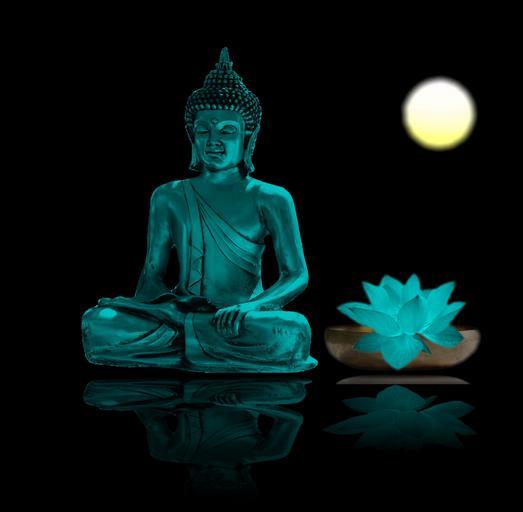
Zen meditation, an ancient practice rooted in Buddhist tradition, has transcended its religious origins to become a popular method of stress management and self-discovery in today’s fast-paced world. This form of meditation, also known as Zazen, emphasizes the attainment of deep insight and a calm mind through seated meditation and mindfulness techniques. This guide explores the essence of Zen meditation, offering a pathway to peace and clarity amidst the chaos of contemporary life.
Understanding Zen Meditation
Zen meditation is more than just a practice; it’s a profound exploration of the mind and being. At its core, Zen is about finding stillness in the present moment and connecting deeply with the self and the surrounding world. This meditation style is distinguished by its simplicity and directness, aiming to shed all forms of mental noise and complexity.
Origins and Philosophical Foundations
Zen originated in China as Chan Buddhism and later evolved into various schools in Japan, Korea, and Vietnam. It is part of the Mahayana Buddhist tradition, which focuses on the universal nature of wisdom and compassion. Zen lays particular emphasis on ‘sudden enlightenment’, a direct experience of reality in its purest form, unmediated by thoughts or intellectual processes.
Practicing Zen Meditation
To start practicing Zen meditation, one needs little more than a quiet space and a cushion or chair. The traditional posture is to sit cross-legged on a cushion (like a zafu and zabuton), with hands folded comfortably in the lap, and the back straight yet relaxed. The eyes are usually kept open, slightly lowered, with the gaze directed not too far but just a meter or two in front, to prevent drowsiness and maintain alertness.
Breathing in Zen meditation is natural and unforced, with attention focused on the rise and fall of the abdomen or the sensation of air entering and exiting the nostrils. The aim is to anchor the mind in the present moment, gently bringing it back whenever it wanders to thoughts of the past or future.
The Role of Mindfulness
Mindfulness is a cornerstone of Zen practice. It involves being acutely aware of physical sensations, thoughts, and feelings, observing them without attachment or judgment. This practice helps in recognizing the transient nature of all things, including our own experiences and emotions, thereby fostering a sense of inner peace and equanimity.
Benefits of Zen Meditation
The benefits of Zen practice are many and deeply transformative:
Reduced Stress and Anxiety:
Regular practice helps in lowering stress and anxiety by enhancing emotional resilience.
Improved Concentration and Focus:
Zen improves the ability to maintain concentration and stay focused on tasks.
Enhanced Self-Awareness:
By sitting in silence and paying attention to one’s thoughts, practitioners develop a deeper understanding of themselves.
Spiritual Growth:
Many find that Zen practice leads to profound spiritual insights and a feeling of interconnectedness with all living things.
Incorporating Zen Meditation into Daily Life
Incorporating Zen practice into daily life can be done in simple steps:
Routine:
Establish a daily practice, starting with just a few minutes each day and gradually increasing the duration.
Environment:
Dedicate a quiet corner of your home as a meditation space, which can be simple and uncluttered to reflect the Zen principles.
Mindful Activities:
Extend mindfulness to everyday activities, such as eating, walking, or even doing household chores, practicing awareness with each action.
Challenges in Practice
While Zen is simple, it’s not necessarily easy. Beginners might struggle with distractions, physical discomfort, or the frustration of trying to quiet the mind. Here are some tips to overcome these challenges:
Consistency is Key:
Like any skill, meditation requires practice. Consistency helps in gradually deepening your meditation experience.
Adjustments:
Make necessary adjustments to your posture or environment as needed to support your practice.
Community:
Engaging with a community or a meditation group can provide support and deepen your practice.
Zen Meditation for Modern Stress Relief
In our modern world, stress seems inescapable, but Zen meditation offers a way to navigate life’s ups and downs with grace and calm. By fostering a disciplined mind and compassionate heart through meditation, individuals can face life’s challenges with serenity and clarity.
Conclusion
Zen meditation is a powerful tool for mental clarity and emotional peace. This practice offers profound insights into the nature of thought and perception and equips practitioners with the means to live more mindfully and peacefully. Whether you are seeking spiritual depth, emotional stability, or mental clarity, Zen meditation provides a pathway to transform your life, one breath at a time. Embrace this timeless practice and discover the tranquility that awaits within the simplicity of the present moment.
~
What is your experience of zen meditation?
What challenges have you experienced, and how did you handle them?


