
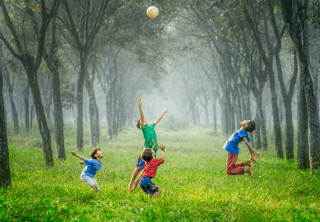
When we think of meditation, the image that often comes to mind is one of stillness and silence. However, for energetic kids, sitting still for extended periods can be a challenge. This is where active meditations come in. Mindfulness in motion allows children to engage their bodies and minds simultaneously, making it easier for them to experience the benefits of meditation. In this article, we’ll explore various active meditation techniques that are perfect for energetic kids.
The Benefits of Active Meditation for Kids
Active meditation combines movement with mindfulness, helping children develop focus, emotional regulation, and relaxation. These practices can be especially beneficial for kids who struggle with attention or anxiety. Active meditation encourages a state of flow, where kids can immerse themselves fully in the present moment, leading to improved concentration and a sense of calm.
Walking Meditation
Walking meditation is a simple yet effective way to introduce kids to mindfulness. It involves paying close attention to the act of walking, noticing each step, and the sensations in the body. Here’s how to do it:
Find a safe, open space where your child can walk without obstacles.
Ask your child to walk slowly, paying attention to how their feet feel as they touch the ground.
Encourage them to notice their breath and any sounds around them.
If their mind wanders, gently guide them back to the sensation of walking.
Animal Yoga
Yoga is a fantastic way to combine movement and mindfulness. For kids, making yoga fun and engaging can be achieved by incorporating animal poses. Each pose mimics the movements of different animals, making it an exciting activity. Here are a few poses to try:
Cat-Cow Pose:
Encourage your child to arch their back like a cat and then dip it down like a cow. This movement helps with flexibility and relaxation.
Downward Dog:
Ask your child to mimic a dog stretching. This pose strengthens the arms and legs while promoting relaxation.
Butterfly Pose:
Have your child sit with their feet together and knees out, flapping their legs like butterfly wings. This pose enhances flexibility in the hips.
By focusing on their breath and the sensations in their body while performing these poses, children can experience the calming effects of mindfulness.
Dance Meditation
Dance meditation is a joyful way for kids to express themselves and practice mindfulness. It involves moving freely to music while staying present in the moment. Here’s how to get started:
Choose a piece of music that your child enjoys and that has a soothing rhythm.
Encourage your child to move their body in any way that feels natural, paying attention to how their body feels with each movement.
Remind them to focus on their breath and the music, letting go of any worries or distractions.
Dance meditation allows children to release pent-up energy while cultivating a mindful awareness of their body and emotions.
Mindful Coloring
Coloring can be a meditative activity that helps kids focus and relax. Mindful coloring involves paying close attention to the colors, patterns, and sensations while coloring. Here’s how to practice it:
Provide your child with coloring materials (Paid Link) and a coloring book or printable mandalas.
Encourage them to choose colors that they feel drawn to and to color slowly and mindfully.
Ask them to notice how they feel as they color and to focus on the act of coloring without judgment.
Mindful coloring can be a soothing activity that promotes concentration and creativity.
Breathing Games
Teaching kids to focus on their breath is a fundamental aspect of mindfulness. Breathing games make this practice fun and engaging. Here are a couple of ideas:
Feather Breathing:
Give your child a feather and ask them to blow it gently into the air, trying to keep it afloat with their breath. This game helps them become aware of their breath and its impact.
Bubble Breathing:
Have your child blow bubbles, paying attention to their breath as they create each bubble. Watching the bubbles float and pop can be a calming experience.
Breathing games help kids develop an awareness of their breath, which can be a valuable tool for managing stress and emotions.
Nature Meditation
Spending time in nature is inherently calming and can be a wonderful setting for mindfulness practices. Nature meditation involves engaging with the natural world mindfully. Here’s how to do it:
Take your child to a park, garden, or any natural setting.
Encourage them to use their senses to explore their surroundings.
Ask them to notice the colors, sounds, and textures around them.
Have them take deep breaths and feel the fresh air, noticing how it feels as it enters and leaves their body.
Nature meditation helps kids connect with the environment and fosters a sense of peace and wonder.
Mindful Listening
Mindful listening is a simple practice that helps children focus and become more aware of their surroundings. It involves paying close attention to sounds. Here’s how to practice it:
Find a quiet spot and sit comfortably with your child.
Ask them to close their eyes and listen carefully to the sounds around them.
Encourage them to identify different sounds, such as birds chirping, leaves rustling, or distant traffic.
Mindful listening can enhance a child’s concentration and appreciation for the present moment.
Conclusion
Mindfulness in motion is a fantastic way to introduce energetic kids to the benefits of meditation. By incorporating movement and engaging activities, children can learn to focus, relax, and connect with their inner selves. Whether through walking meditation, yoga, dance, or nature exploration, there are countless ways to make mindfulness accessible and enjoyable for kids. These active meditations can help children develop lifelong skills for managing stress and enhancing their overall well-being. By making mindfulness fun and interactive, we can nurture a sense of calm and balance in even the most energetic children.