

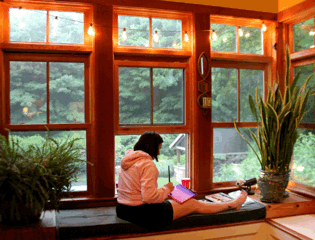
In a fast-paced world, finding ways to relax and express creativity is essential for mental well-being. Combining art and meditation is a powerful way to achieve this. This practice allows individuals to tap into their inner creativity while experiencing the calming effects of meditation. This article explores how you can combine art and meditation to enhance your creative expression and overall well-being.
The Benefits of Combining Art and Meditation
Combining art and meditation offers numerous benefits. Meditation helps calm the mind, reduce stress, and increase focus. When paired with art, it allows for deeper creative exploration. This combination can lead to a state of flow, where you are fully immersed in the creative process, resulting in greater satisfaction and a sense of accomplishment.
Getting Started with Art and Meditation
Starting this practice doesn’t require advanced skills in art or meditation. Here are some simple steps to get you started:
Create a Peaceful Space:
Find a quiet and comfortable space where you can focus without distractions. This could be a corner of your room, a garden, or any place where you feel relaxed.
Gather Your Materials:
Choose your preferred art supplies. This could include sketchbooks, paints, clay, or any medium that inspires you.
Set an Intention:
Before you begin, set a clear intention for your session. This could be to explore a particular emotion, release stress, or simply enjoy the creative process.
Mindful Drawing
Mindful drawing is a simple yet powerful way to combine art and meditation. It involves focusing on the act of drawing, paying attention to the movements of your hand and the marks you make on the paper. Here’s how to practice mindful drawing:
Sit Comfortably:
Find a comfortable seat and place your drawing materials in front of you.
Focus on Your Breath:
Take a few deep breaths to center yourself. Allow your breath to become natural and relaxed.
Begin Drawing:
Start drawing whatever comes to mind. Don’t worry about the final result; focus on the process. Notice the sensation of the pen or pencil on the paper.
Stay Present:
Whenever your mind wanders, gently bring your focus back to your drawing and your breath.
Guided Imagery and Art
Guided imagery is a meditation technique that involves visualizing peaceful and inspiring images. Combining this with art can lead to profound creative expression. Here’s how to do it:
Find a Comfortable Position:
Sit or lie down in a comfortable position.
Close Your Eyes:
Close your eyes and take a few deep breaths to relax.
Visualize:
Imagine a peaceful scene, such as a beach, forest, or mountain. Engage all your senses in the visualization.
Create Art:
After a few minutes of visualization, open your eyes and start creating art based on what you imagined. Let your creativity flow without judgment.
Mandala Creation
Creating mandalas is a meditative art form that can enhance focus and creativity. Mandalas are circular designs that symbolize the universe. Here’s how to create your own mandala:
Choose Your Medium:
You can draw mandalas on paper, use coloring books, or even create digital mandalas.
Start from the Center:
Begin by drawing a small circle in the center of your paper. This will be the focal point of your mandala.
Build Outwards:
Gradually add patterns and shapes around the center circle, moving outward. Use repetitive patterns to create a sense of balance and harmony.
Focus on the Process:
As you create your mandala, focus on the process rather than the final product. Allow yourself to become fully immersed in the act of creation.
Art Journaling
Art journaling combines writing and drawing to express thoughts and emotions. It’s a versatile practice that can be deeply therapeutic. Here’s how to start an art journal:
Choose a Journal:
Select a blank journal with sturdy pages that can handle different art materials.
Set an Intention:
Begin each session with an intention, such as exploring a particular emotion or reflecting on a recent experience.
Combine Words and Images:
Use a combination of words and images to express yourself. This could include drawings, paintings, collages, and written reflections.
Reflect:
Take time to reflect on your entries. Notice any patterns or insights that emerge from your creative expression.
Meditative Painting
Meditative painting involves using paint to express your inner world. It’s a free-form practice that encourages spontaneity and exploration. Here’s how to practice meditative painting:
Prepare Your Space:
Set up a space where you can paint freely without worrying about making a mess.
Select Your Materials:
Choose paints and brushes that you enjoy using.
Focus on Your Breath:
Begin with a few deep breaths to center yourself.
Paint Freely:
Allow your intuition to guide your painting. Don’t worry about creating a recognizable image; focus on the colors, shapes, and movements that feel right in the moment.
Stay Present:
Keep your attention on the act of painting and your breath. If your mind wanders, gently bring it back to the present moment.
Collaborative Art Meditation
Collaborative art meditation involves creating art with others. This practice can strengthen connections and foster a sense of community. Here’s how to practice collaborative art meditation:
Gather Your Group:
Invite friends or family members to join you in a collaborative art session.
Set a Group Intention:
Decide on a shared intention for the session, such as creating a collective artwork or exploring a common theme.
Create Together:
Work together on a single piece of art or create individual pieces that connect in some way. Focus on the process of creating together rather than the final product.
Share and Reflect:
After the session, share your experiences and reflections with the group. Discuss how the process felt and any insights that emerged.
Resources
Incorporating art into your meditation practice can open up new avenues for creative expression and personal insight. There are numerous art and crafting methods that can enhance your meditative journey, each offering unique benefits and opportunities for self-discovery. From the structured beauty of Bullet Journaling to the eclectic creativity of Junk Journaling, and the deeply personal nature of Art Journaling and SoulCollage, exploring these different types of art forms can enrich your practice and inspire your creativity. Below are some excellent websites to guide you in discovering and mastering these art techniques.
Bullet Journal:
Bullet journaling is a customizable organization system that combines elements of a diary, planner, and to-do list, using simple bullet points and symbols to track tasks, events, and thoughts. It enhances productivity and mindfulness by allowing users to creatively document their goals, achievements, and reflections in a structured format. https://en.wikipedia.org/wiki/Bullet_journal
Junk Journal:
Junk journaling (aka Treasure Books) is an artful form of journaling that uses recycled materials, ephemera, and found objects to create unique and personalized pages. It emphasizes creativity and self-expression, transforming everyday items (“junk”) into a visually captivating and meaningful journal. I find this craft extremely cathartic. And because there are no rules — no wrong way to make your journal — it is extremely freeing. You are only limited by your imagination. This is a link to one of my favorite Junk Journal artists: https://www.youtube.com/@TreasureBooks Besides glue, you really don’t need to purchase anything to get started. It is an engaging way to connect with yourself and when you’re finished, you can use the book as a journal, however you wish.
Art Journal:
Art journaling is a creative practice that combines visual art and written reflections in a journal format, allowing for personal expression and emotional exploration. It involves using various art techniques, such as drawing, painting, and collage, to convey thoughts, feelings, and experiences in an artistic and meaningful way. https://dayoneapp.com/blog/art-journal/
SoulCollage®:
Hands down, my favorite meditative art method. It doesn’t take much to get started. I bought the book but you don’t need to. Buy it on Amazon here (Paid Link). There are free classes online – check their website. They will even send you images you can use. It is a very intuitive process.
Quoted from the website: “Discover your wisdom. Change your world.™ Your SoulCollage® Deck is the Story of You! Create a unique deck of colorful, collaged SoulCollage® cards with deep personal meaning. Consult your cards, discover your inner wisdom and find answers to life’s questions. Anyone can enjoy this fun, powerful and satisfying method.” https://soulcollage.com/
Conclusion
Combining art and meditation is a powerful way to enhance creative expression and promote mental well-being. Whether you’re practicing mindful drawing, guided imagery, mandala creation, art journaling, meditative painting, or collaborative art meditation, the key is to focus on the process rather than the outcome. By immersing yourself in the act of creation and staying present, you can tap into a deeper level of creativity and inner peace. Start exploring these practices today and discover the transformative power of combining art and meditation.
~
Have you tried any of these creative techniques and approached them in a meditative way?
Which one(s) is/are your favorite?
QuantuMystic™ is not affiliated with any of the third-party websites linked in this article.
Image Credit: Dominique Stueben on Unsplash


